
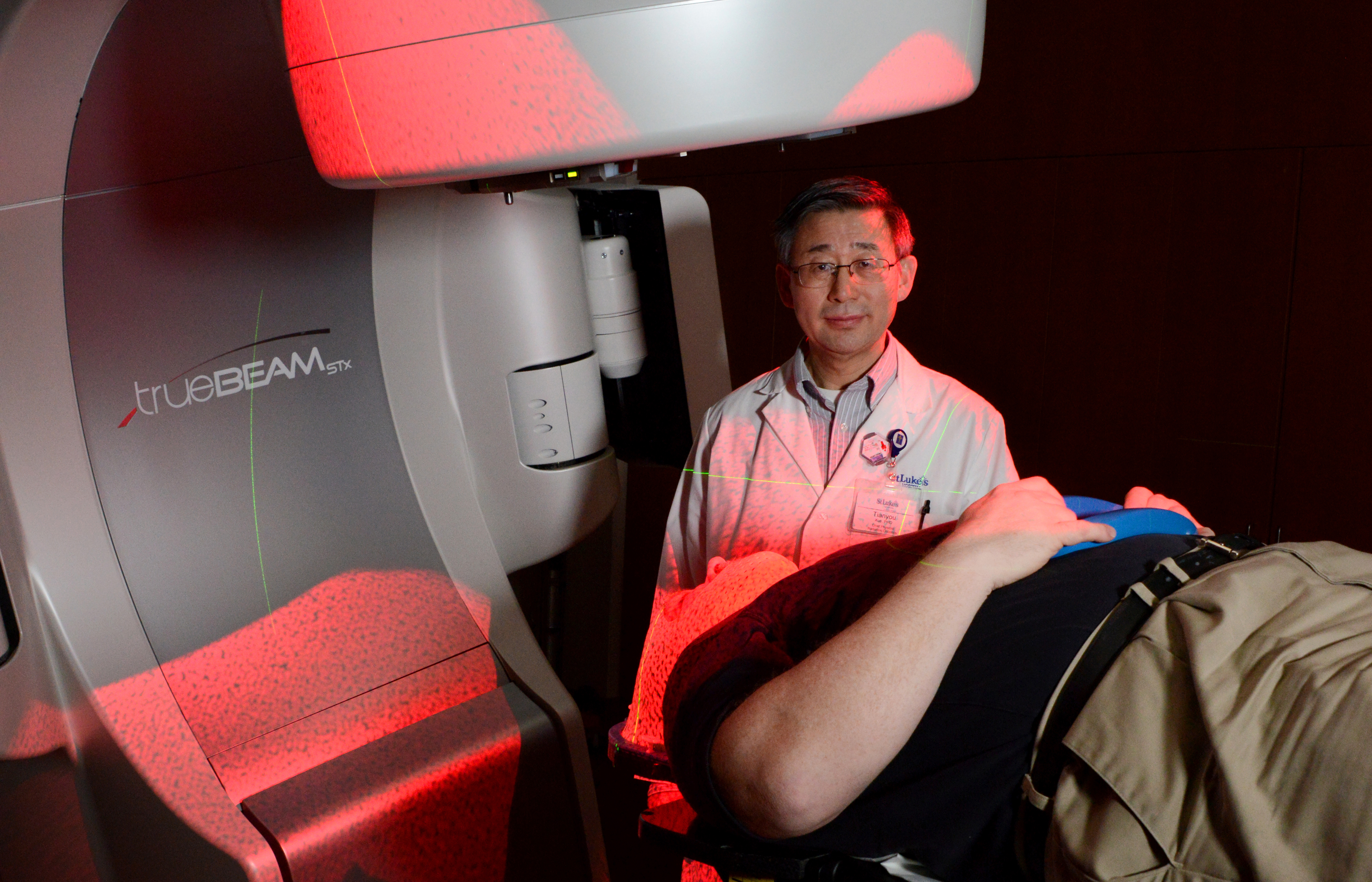
PRESS RELEASE – St. Luke’s University Health Network is the first in the region to offer ‘frameless’ stereotactic radiosurgery to treat brain tumors. The technology is effective without pins, pain, scars or extra anxiety.
Some treatments for brain and spine tumors traditionally have involved restraining a patient with a heavy immobilization device and pins that pierce the skin and embed into the skull to ensure the accuracy and precision of a treatment. Doctors say the pins can add considerable anxiety.
The good news is they are not necessary anymore for many patients who require SRS.
St. Luke’s University Health Network now offers Frameless Stereotactic Radiosurgery (SRS) for the treatment of malignant and benign brain tumors, as well as some cerebrovascular malformations.
The new technology uses Varian’s TrueBeam™ STx linear accelerator, and it’s performed in Radiation Oncology at St. Luke’s Cancer Center – Anderson Campus in Bethlehem Township through St. Luke’s Brain & Spine Tumor Center.
Stereotactic Radiosurgery (SRS) is a type of radiation treatment that uses precise 3-D computerized planning and imaging to deliver a highly concentrated dose to a targeted tumor or lesion, minimizing the amount of radiation exposure to normal, healthy tissues.
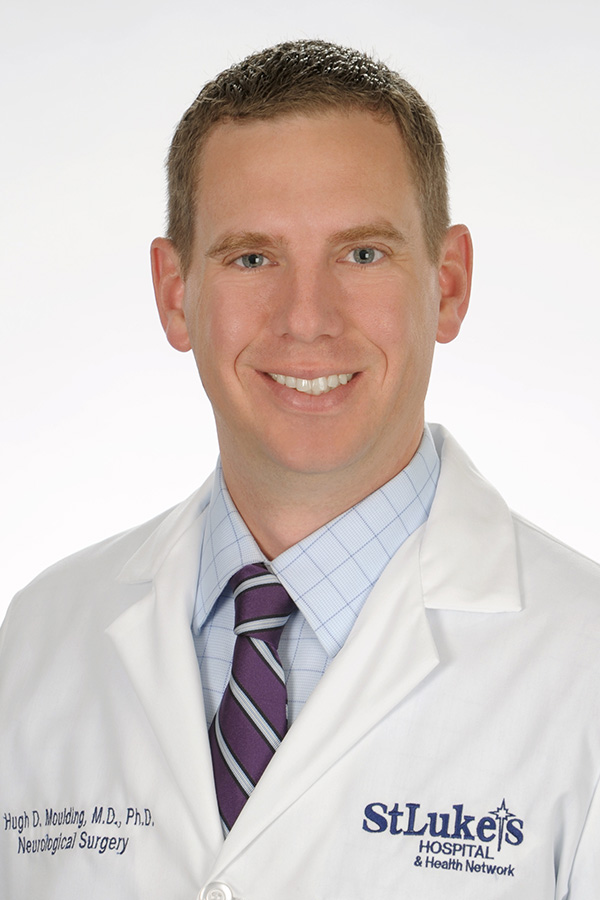
“Traditionally, SRS for brain tumors has been delivered while the patient wears a stereotactic frame, a rigid immobilization device that ensures precision and accuracy,” says Neurosurgical Oncologist Hugh Moulding, MD, PhD, clinical director at St. Luke’s Brain & Spine Tumor Center.
“Applying the frame can be uncomfortable and produce considerable anxiety for patients, as it involves affixing the frame to the patent’s head with pins that pierce the skin and embed into the skull. Up until now, this has been a necessary part of the process to ensure accuracy, precision and safety. “
The new technology uses surface mapping, according to Nimisha Deb, MD, Section Chief of Radiation Oncology at St. Luke’s University Health Network.
“Surface mapping involves tracking of the patient’s facial features during treatment which allows SRS to be performed without the cumbersome immobilization equipment.
Instead, treatments are guided by markers on the scalp or a face mask, she says.
“Varian’s TrueBeam frameless SRS is the most advanced and best technology currently available for patients with brain tumors,” says Dr. Deb.

“Older SRS platforms offered at other area hospitals, such as the ‘GammaKnife’ system, require utilizing a stereotactic head frame on the patient,” says Dr. Moulding. “On the other hand, ‘CyberKnife,’ while also a frameless SRS platform, requires treatment times that are considerably longer than with our TrueBeam. Now, with this new frameless SRS technology, we are able to provide our brain tumor patients with a dramatically more comfortable and faster treatment and recovery experience that’s not available anywhere else in the area.”
About St. Lukes’ Brain & Spine Tumor Center
St. Luke’s Brain & Spine Tumor Center is the region’s only patient-centered multidisciplinary clinic for primary and metastatic diseases of the brain and spine. The center gives patients an opportunity to meet a multidisciplinary team of doctors from neurosurgery, radiation therapy and medical oncology at one time. No other cancer center in the region offers this service, which expedites treatment planning and initiation, minimizing delays. By bringing together physician expertise in these highly specialized areas, St. Luke’s offers patients a cohesive, comprehensive, personalized treatment plan tailored to each patient’s diagnosis and unique needs. Patients benefit from innovative surgical and radiation oncology treatment approaches and access to the latest clinical trials and investigational therapies.
Specialized Nurses Help St. Luke’s Patients Navigate Cancer Care
St. Luke’s has dedicated Oncology Nurse Navigators for breast, lung and brain/spine cancers. Oncology Nurse Navigators (ONN) are clinically trained and have the expertise necessary to support cancer patients and their families from diagnosis through survivorship.
“St. Luke’s oncology nurse navigators improve patient care and patient satisfaction,” says Cheryl Belman, RN, MSN, OCN, St. Luke’s Neuro-oncology Nurse Navigator. “Patients benefit from having a single point-of-contact who understands their diagnosis and unique needs. This creates higher patient satisfaction, enhanced coordination of care, and a reduction in health care costs achieved through the appropriate utilization of resources and fewer hospital readmissions.”
Oncology nurse navigators …
- proactively reach out to patients to identify and remove potential barriers to care;
- address any concerns regarding diagnosis and treatment;
- provide emotional support;
- facilitate physician appointments and disseminate information between the specialists;
- prevent treatment delays;
- address duplicate testing;
- provide referrals to support services; and
- monitor and manage treatment-related side effects.
Dr. Moulding is the region’s only neurosurgeon in the area to have completed a fellowship in Neurosurgical Oncology. As a member of St. Luke’s Neurosurgical Associates, he works closely with family physicians, medical oncologists, radiation oncologists, neurologists and neuroradiologists to diagnose and treat tumors of the brain and spine.
 TamaquaArea.com